
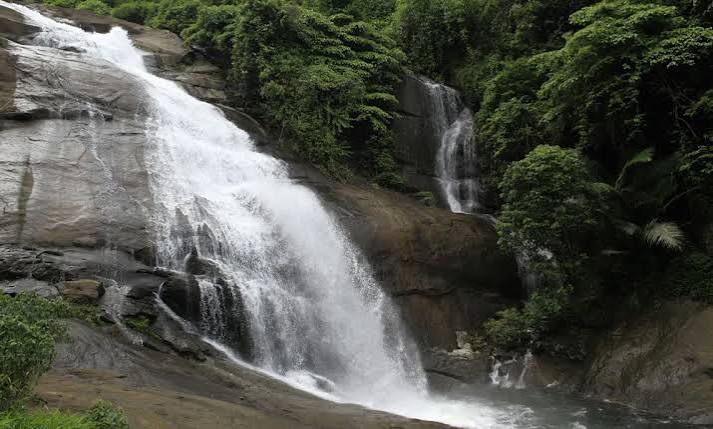
There’s a moment, standing at the base of Soochipara Falls during monsoon, when you understand why locals call it the “Sentinel of Wayanad.” Water crashes down 200 meters — roughly 20 stories — with such force that the ground vibrates beneath your feet. The roar drowns out conversation. Mist envelops you. Your phone camera struggles to capture what your eyes see.
This is Soochipara Falls in monsoon — not a gentle tourist attraction, but a raw, untamed expression of nature that most visitors never experience.
For 8 months of the year, Soochipara is a moderate waterfall, pleasant for photos and swimming. But for 3-4 months during monsoon (June through September), it transforms into something genuinely dramatic — the kind of sight that changes how you see Wayanad.
If you’re planning a monsoon trip to Wayanad, visiting Soochipara isn’t just recommended. It’s essential.
What Is Soochipara Falls? (And Why Locals Call It Sentinel Rock)
Soochipara Falls — also known as Sentinel Rock Falls or Meenangadi Falls — is Wayanad’s most powerful waterfall. Located in the Meenangadi region (about 30km from the town center), it’s fed by mountain streams and seasonal rainfall that explodes in monsoon season.
The waterfall drops in stages:
- Main cascade: 200+ meters straight down
- Secondary pools: Where water crashes and reforms
- Base pool: Deep enough for swimming (but only when safe)
The name “Soochipara” comes from Malayalam: “Soocha” (needle) and “Para” (cliff) — describing how the water falls like a needle from the cliff face. But during monsoon, “needle” doesn’t quite capture it. It’s more like a torrent.
Why it’s special: Most of Wayanad’s famous waterfalls (Meenangadi, Kandikadavu) have similar power in monsoon, but Soochipara’s sheer drop and isolated location make it feel untouched. You’re not standing with 100 tourists. You’re standing in a cathedral of water and mist.
The Monsoon Difference: Why June-September Changes Everything
Non-Monsoon Soochipara (October-May)
- Moderate water flow
- Shallow base pool (knee to waist-deep)
- Safe for swimming, wading, photography
- Clear visibility
- Warm temperatures
- Perfect for casual visitors
- Crowded during peak season
Monsoon Soochipara (June-September)
- Violent, powerful water cascades
- Deep, turbulent base pool (dangerous for swimmers)
- Slippery rocks and strong currents
- Mist-covered, moody atmosphere
- Cool temperatures
- Requires respect and caution
- Fewer visitors (because it’s genuinely risky)
- Photography is dramatic and unforgettable
The truth: Monsoon Soochipara isn’t for everyone. But if you’re equipped, cautious, and respectful of the water, it’s the most beautiful and powerful version of this waterfall you’ll ever see.
Planning Your Monsoon Visit: Complete Practical Guide
Best Time to Visit (Within Monsoon Season)
July-August = Peak monsoon power
- Highest water volume
- Most dramatic cascades
- Most mist and atmospheric conditions
- Most rainfall (which means most slippery rocks)
- Most challenging conditions
June = Early monsoon, moderate flow
- Less intense than July-August
- Still powerful, still beautiful
- Slightly safer conditions
- Good balance of drama + accessibility
September = Late monsoon, transitioning
- Still powerful but declining
- Water levels dropping toward October
- Slightly less mist
- Conditions stabilizing
- This is your last chance until next monsoon
Our honest take: If you want the full monsoon experience, visit July or August. If you’re cautious or visiting with older family, June or early September offer better safety margins while still capturing monsoon drama.
How to Reach Soochipara Falls from Lords83
Distance: Approximately 35-40 km from Lords83
Driving time: 45-60 minutes (depending on road conditions in monsoon)
By jeep (recommended): Essential in monsoon when roads are wet and slippery
Route:
- Start from Lords83 (Meenangadi, Krishnagiri)
- Head toward Meenangadi town
- Take the Meenangadi-Kalpetta road
- Watch for Soochipara Falls signs
- Final stretch is an unpaved forest road (4WD recommended)
What we recommend:
- Hire a local guide through our activities team (₹1,500-2,500 per person for guided visit)
- Use a sturdy jeep, not a regular sedan
- Don’t attempt this alone in monsoon
- Start early (6-7 AM) to finish before afternoon rains intensify
- Allow 4-5 hours total (travel + walking + experience)
What to Bring (Monsoon-Specific Packing)
Footwear:
- Rubber slip-on shoes or water shoes (NOT hiking boots — they’ll get waterlogged)
- Waterproof socks if possible
- Alternatively, go barefoot (easier grip on wet rocks, but prepare for bruises)
Clothing:
- Quick-dry shorts and shirt (cotton gets heavy when wet)
- Waterproof jacket or poncho (you will get soaked)
- Old swimsuit underneath (optional, but for brave swimmers)
- Change of clothes in a waterproof bag
Protection:
- High SPF sunscreen (mist makes you think it’s not sunny — you’ll burn)
- Insect repellent (mosquitoes love wet environments)
- First aid kit (cuts from rocks are common)
Gear:
- Waterproof phone bag or GoPro (monsoon photography is incredible)
- Tripod or selfie stick (if you want to capture yourself, but be cautious on wet rocks)
- Waterproof backpack
- Plenty of water (dehydration sneaks up during physical exertion)
- Dry towel and change bag
Don’t bring:
- Valuable electronics (phones can get damaged)
- Expensive jewelry
- Anything you’re not prepared to lose
Safety Tips That Actually Matter
This isn’t fear-mongering — monsoon Soochipara is genuinely risky. Respect the water.
Before You Go:
- Check weather forecasts — If heavy rain is forecasted, postpone. Landslides and flash floods are real.
- Inform someone — Tell your resort (us) where you’re going and when you’ll return.
- Go with a guide — Seriously. A local guide knows current conditions, safe paths, and rescue procedures.
- Know your limits — If you’re not confident around water, slippery rocks, or heights, this might not be your visit.
At the Falls:
- Never go near the main cascade — The impact force of 200+ meter drops is lethal. Stay in designated safe zones.
- Test every step — Rocks are deceptive. Moss and algae make them more slippery than they appear.
- Never turn your back to the water — Currents can sweep you into the main flow.
- Don’t assume the base pool is safe — Even though it looks inviting, monsoon currents are unpredictable. Check with your guide first.
- Watch for flash flooding — If you see water levels rising suddenly, leave immediately. Upstream rainfall causes flash floods with zero warning.
- Wear a life jacket if swimming — Yes, even if you’re a strong swimmer. Monsoon currents don’t care about your abilities.
- Never swim alone — Always have someone watching from dry land.
- Phone signal is spotty — Don’t rely on calling for help. Bring a guide.
Physical Demands:
- The walk from parking to waterfall base is 1.5-2 km through forest
- Paths are muddy and root-filled
- Rock scrambling is necessary in several sections
- Elevation gain is moderate but cumulative
- Plan for 2-3 hours of physical activity
Best practices:
- Wear proper footwear (even barefoot is safer than slippery shoes)
- Move slowly and deliberately
- Use walking sticks or rock anchors
- Never rush for photos
- Turn back if conditions feel unsafe
Photography at Soochipara Falls in Monsoon : Capturing the Drama
Monsoon Soochipara is a photographer’s dream. The challenge is capturing it without losing your phone or your footing.
Best Photography Spots
From the base pool area (safest vantage):
- Wide shots of the full cascade
- Mist rolling through the frame
- Yourself with the falls in background (careful on slippery rocks!)
- Slow-motion video of cascading water
From intermediate rocks (with guide permission):
- Close-up of water texture and power
- Personal perspective of the falls’ scale
- Mist creating ethereal effects
Avoid:
- Getting too close to main cascade for shots
- Turning away from the water to adjust your camera
- Climbing higher rocks in monsoon conditions
Camera Settings (If You’re Into That)
Smartphone:
- Use Portrait Mode for depth-of-field effect
- Slow-mo video at 60fps captures water drama beautifully
- High dynamic range (HDR) handles bright mist + dark water well
- Waterproof case essential
DSLR/Mirrorless:
- Shutter speed: 1/1000s to freeze water droplets, or 0.5s for silky water effect
- Aperture: f/8-f/16 for depth (lots to focus on)
- ISO: 400-800 (monsoon is overcast, darker)
- ND filter recommended for long exposures
- Remote trigger (so you don’t shake camera)
Pro tip: The best photos come 2-3 hours after sunrise when mist is still thick but light breaks through. Plan for this timing.
The Monsoon Experience: What Visitors Actually Report
Here’s what people who’ve visited Soochipara in monsoon say (real feedback):
“Standing there, completely soaked, feeling the ground vibrate from the water — it’s the most alive I’ve felt in nature. Nothing compares to it.”
“The mist was so thick we couldn’t see the top of the falls, just water appearing out of clouds. Surreal and humbling.”
“Our guide made us turn back because of flash flood risk, and we were disappointed until we saw the water levels rise 2 minutes later. Trusted him completely after that.”
“My phone didn’t survive, but the memories did. Worth it.”
“Everyone asked why we were visiting in monsoon. When we showed them the photos, they finally understood.”
Why Soochipara in Monsoon Deserves Your Time
Most tourists visit Wayanad in October-November or December-January. They see beautiful waterfalls, hike pleasant trails, and leave happy.
But they miss Soochipara’s true power.
Visiting this waterfall during monsoon isn’t about checking a box. It’s about experiencing Wayanad at its most dramatic — understanding why locals have myths and stories about these falls. It’s about standing in a place that demands your respect, attention, and humility.
If you’re staying with us at Lords83 during monsoon season, this should be on your must-do list. We’ll help you arrange transport, hire a guide, and make sure you’re equipped properly.
Read our complete monsoon travel guide for more monsoon-season activities and tips.
Before You Book Your Monsoon Trip
Visiting Soochipara in monsoon works best if you:
- Have 2-3 days in Wayanad (so you can delay if weather is too risky)
- Are physically active and comfortable on wet, rocky terrain
- Are willing to hire a guide and follow safety instructions
- Have proper waterproof gear
- Are traveling with 1-2 others (never alone)
- Are staying at a resort where staff can advise on daily conditions
Not the right trip for you? Visit in October-November instead for a safer, equally beautiful Wayanad experience.
Where to Stay for Your Soochipara Visit
If you’re planning a monsoon visit to Soochipara Falls, location matters. You want a resort close enough for easy access, with staff who can advise on daily conditions and arrange guides.
Lords83 is perfectly positioned:
- 35-40 km from Soochipara (45-60 min drive)
- Our team has relationships with local guides and jeep services
- We can monitor daily weather and advise on safe visiting windows
- Your guide can coordinate directly with our staff
Room recommendations for monsoon:
- Our Luxury Suite with Private Pool for couples seeking romance paired with adventure
- Our Premium Suite Richard for romantic couples who want comfort
- Our Premium Suite Bradman for adventure-focused families or groups
Book your monsoon stay and experience Soochipara Falls properly.
Final Thoughts: Respect the Water
Soochipara Falls in monsoon is beautiful, powerful, and unforgiving. Thousands of visitors experience it safely every year — but it demands respect.
Go with a guide. Follow safety instructions. Check weather. Take your time. Bring proper gear. And absolutely don’t sacrifice safety for a photo.
Because the real reward isn’t the Instagram moment. It’s the feeling of standing in the presence of something genuinely wild — something that reminds you how small you are, and how magnificent nature can be.
That feeling is worth every precaution.
Soochipara awaits. Just come prepared, come careful, and come ready to be amazed.